What our national advocacy role means
The commitment is simple, and it means two things.
For war widows, it means protecting and advancing the entitlements, recognition, and legacy they are owed, so that what they have built over 80 years is never forgotten.
For veteran families, it means making sure partners, children, parents, siblings, and carers are recognised in their own right, with their own pathways to support rather than access only through the veteran they love.
This is policy and system advocacy, not claims advocacy. We provide input into government reviews, inquiries, and submissions, take part in consultative forums on behalf of war widows and veteran families, and share lived-experience insights to improve policy and service design. The work is led by war widows and veteran families themselves, and we are proud to stand alongside the many organisations across the veteran community that advocate for veterans and their families.
Why veteran families need a national voice
In Australia, the system supporting veterans is well established. The system supporting their families has not kept pace.
War widows established an enduring principle: the families of those who serve are not simply an extension of the veteran. They have needs, experiences, and contributions of their own, and they deserve to be seen and supported in their own right.
Our 2025 Veteran Families Survey shows why that principle still matters:
- More than half of war widows struggle to access the healthcare they need
- 52% of veteran families had experienced mental health challenges in the previous year
- A third had difficulty accessing mental health care
- Only 36% agreed that services were tailored to veteran families
- In 70% of households, children had experienced a personal or emotional challenge
The changes within reach
On Friday 30 October 2026, our CEO, Renee Wilson, appeared before the Senate inquiry into restrictions on health treatment funded by the Department of Veterans’ Affairs (DVA) to give evidence in person. We raised three restrictions still affecting veteran families today.
Remove the time limit on support for bereaved partners
Grief does not follow a timetable. The two-year time limit on support for bereaved partners appeared in subordinate legislation without consultation, and DVA has never explained it. Support should be there when it is needed, not disappear because a deadline has passed.
Protect the health care of children of deceased veterans
A young person can lose their Gold Card simply by leaving full-time study, even when their health needs continue. We want eligibility to continue to age 25 regardless of study, followed by ongoing mental health treatment through a White Card.
Provide proper mental health treatment for veteran families
Open Arms counselling is valuable, but sometimes families need more.
At the heart of all three is one principle: support should be based on need, not an arbitrary deadline, birthday, or administrative rule.
“We are asking for the rhetoric to match the practical realities of our daily lives.” – Renee Wilson, CEO
DVA confirmed that allied health provider fees will rise by around 65% on average from 1 July 2027, and told the committee there are no proposals to bring in new limits under a different name. We will hold them to that. We have also committed to give the committee further data on how many families are affected by these limits. Our submission and the hearing transcript are available at aph.gov.au.
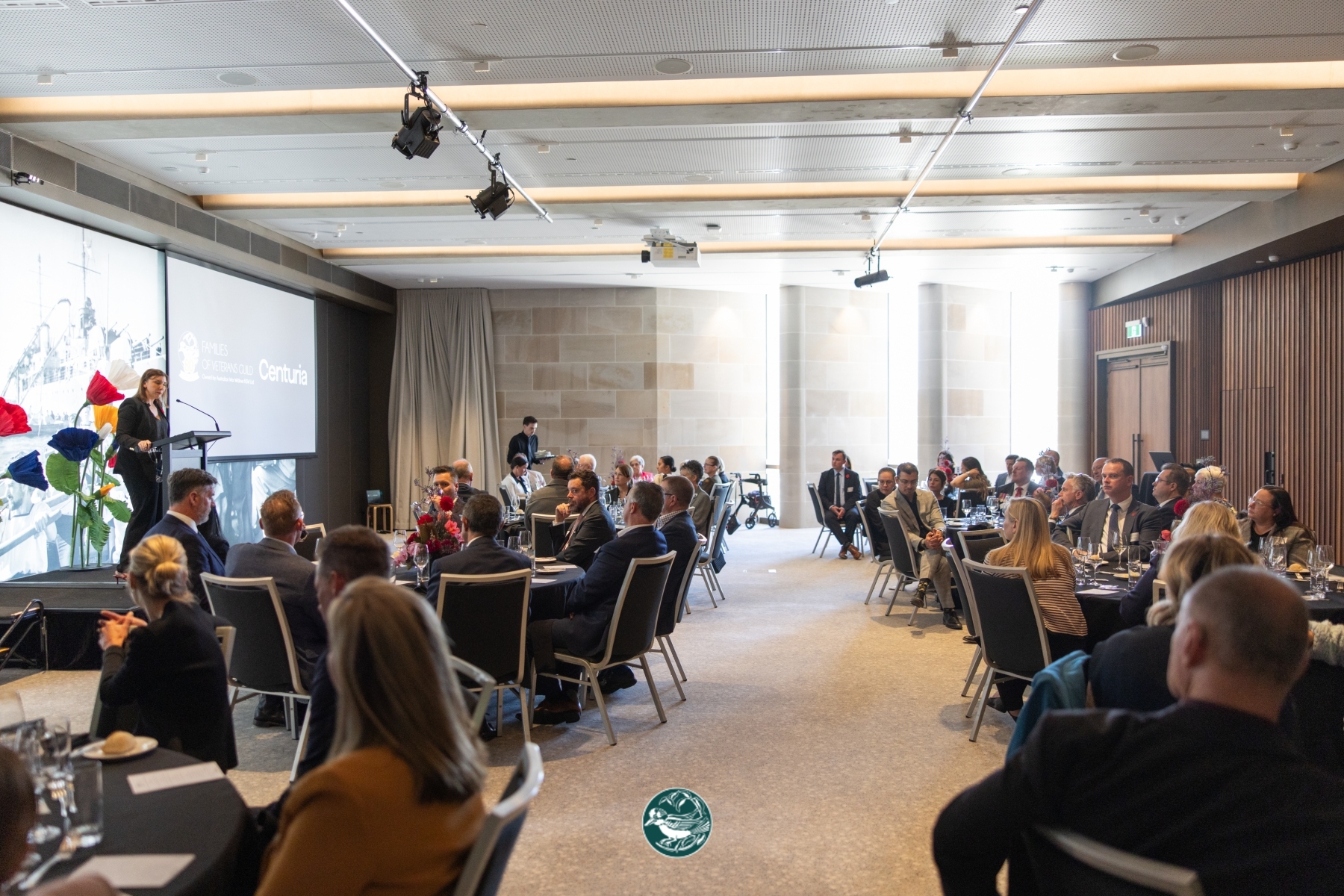
Our first Veteran Families Remembrance Lunch
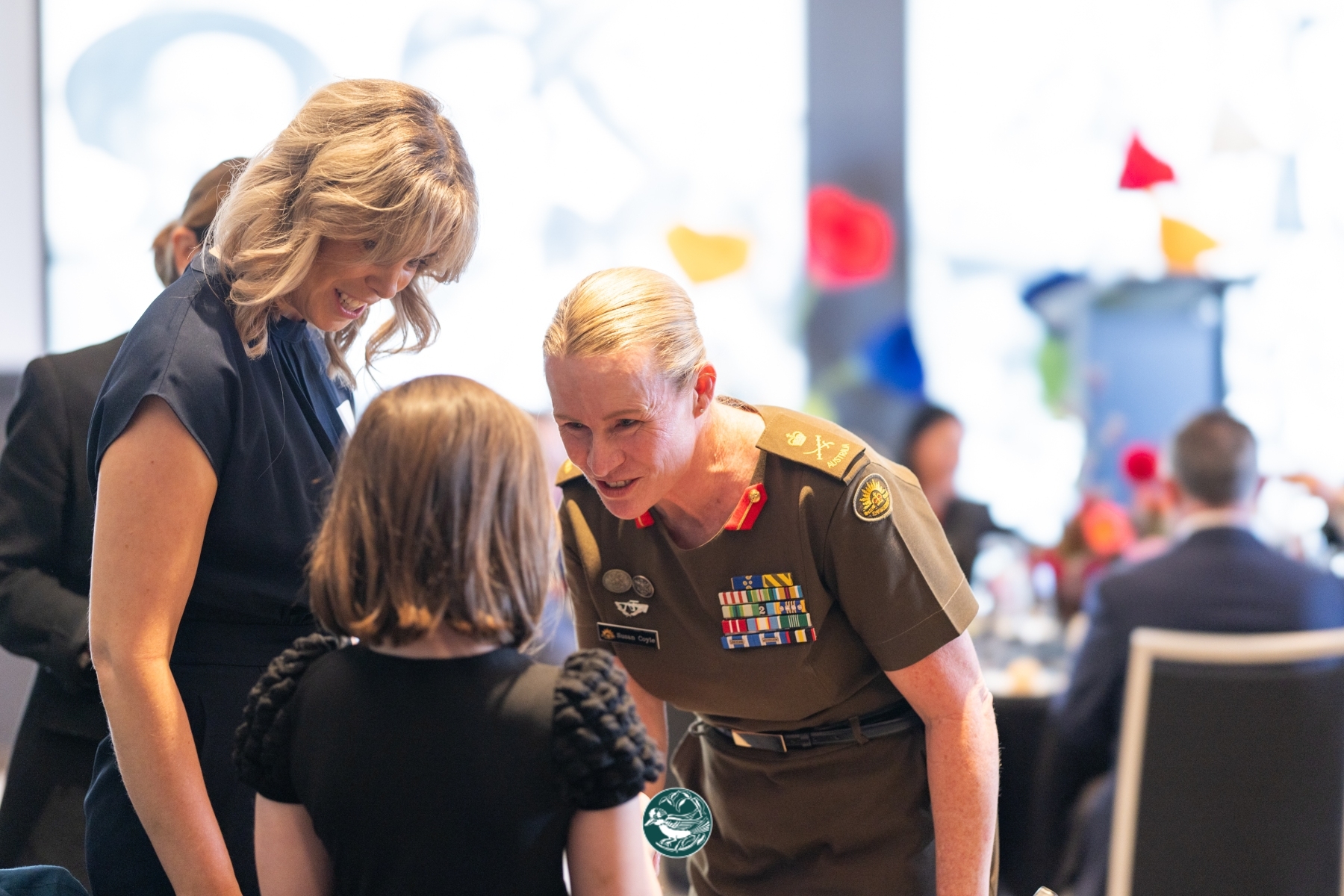
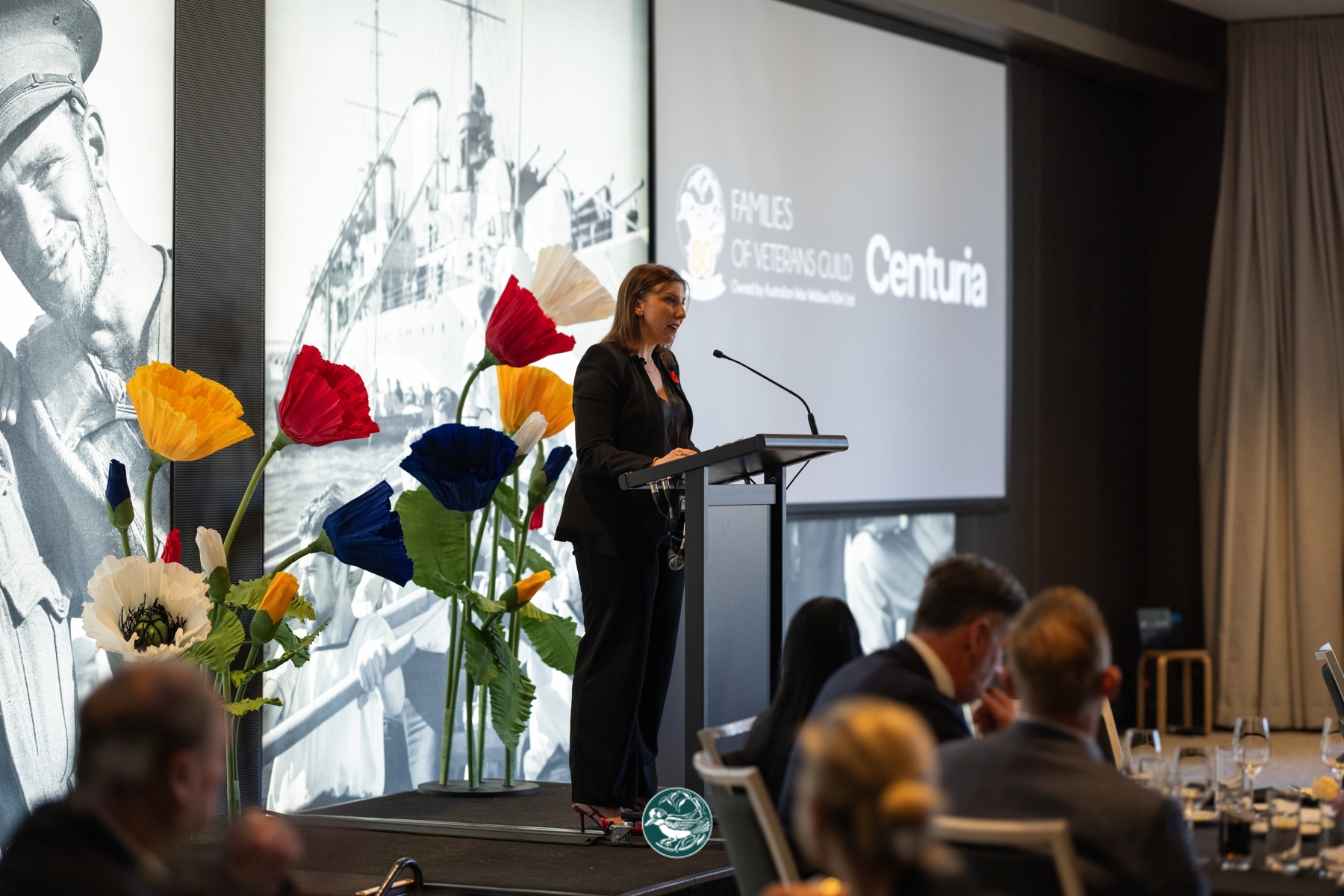
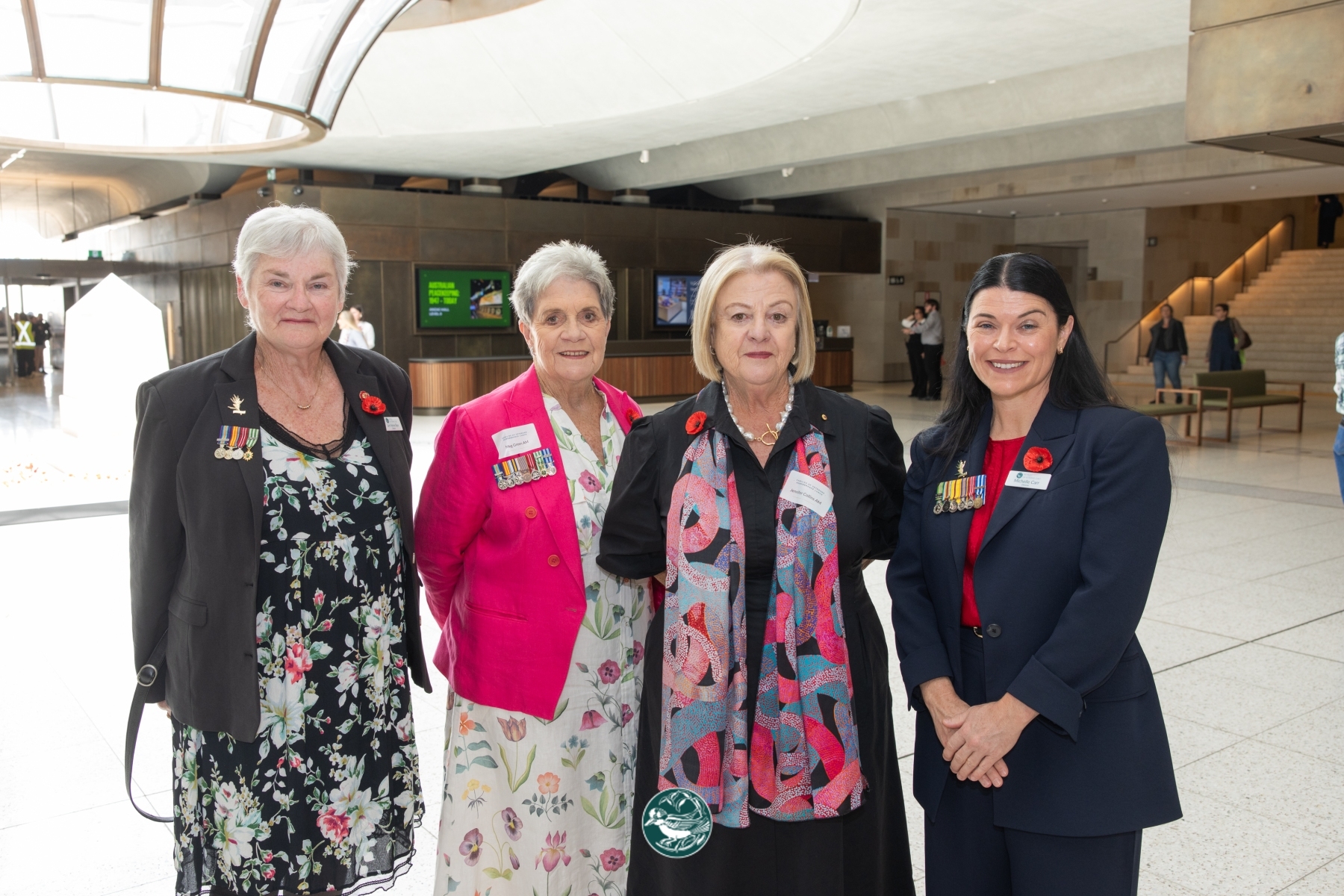
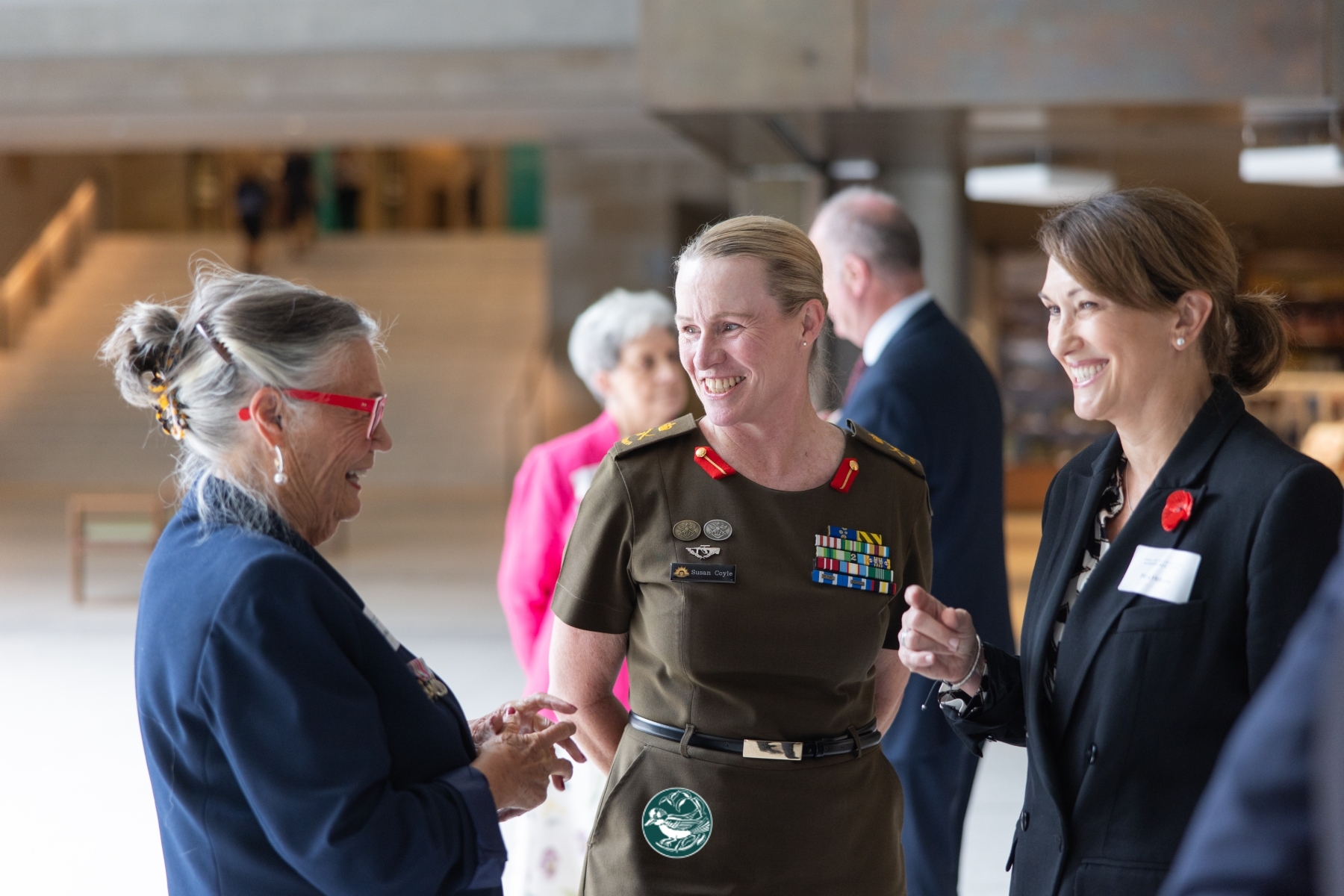
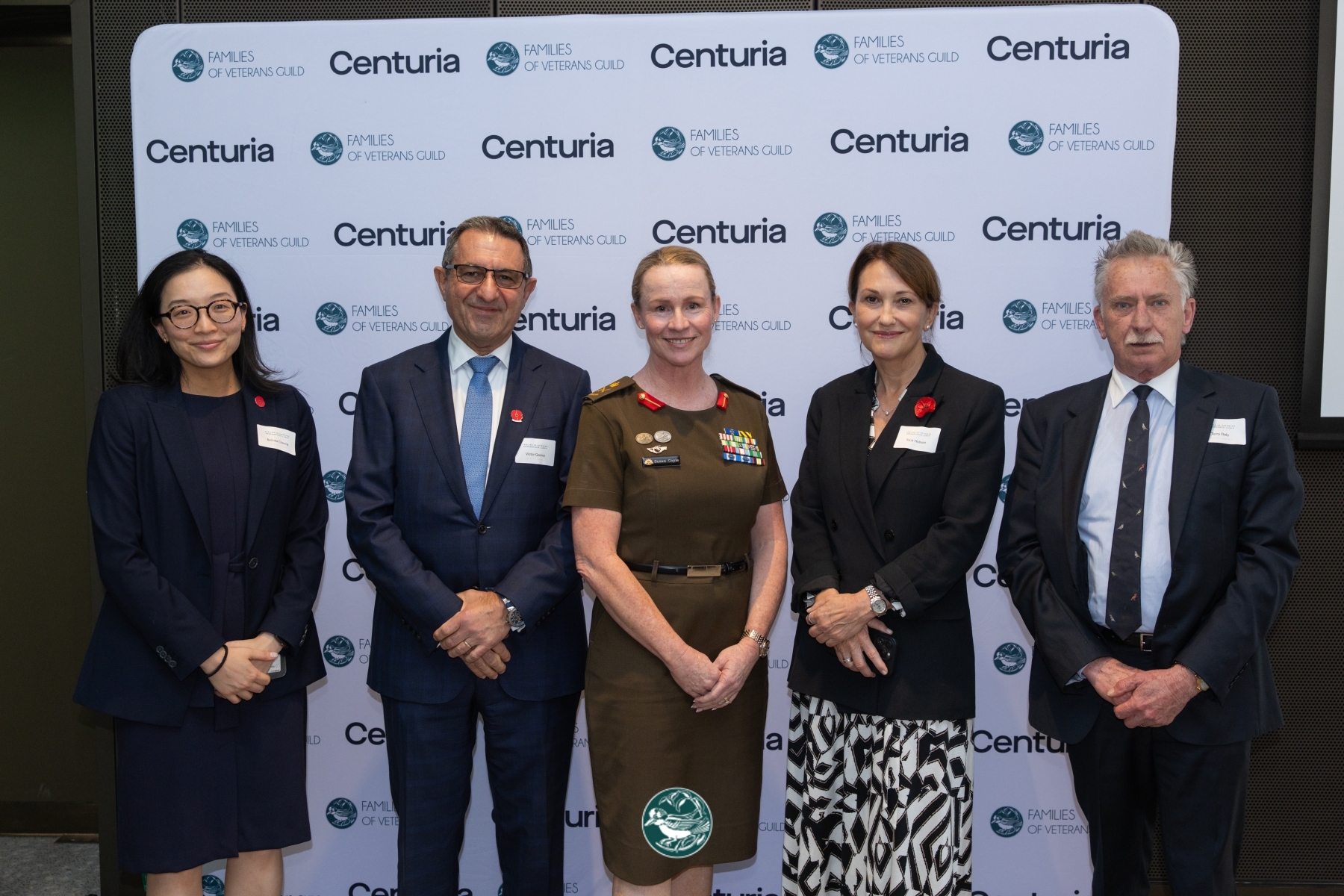
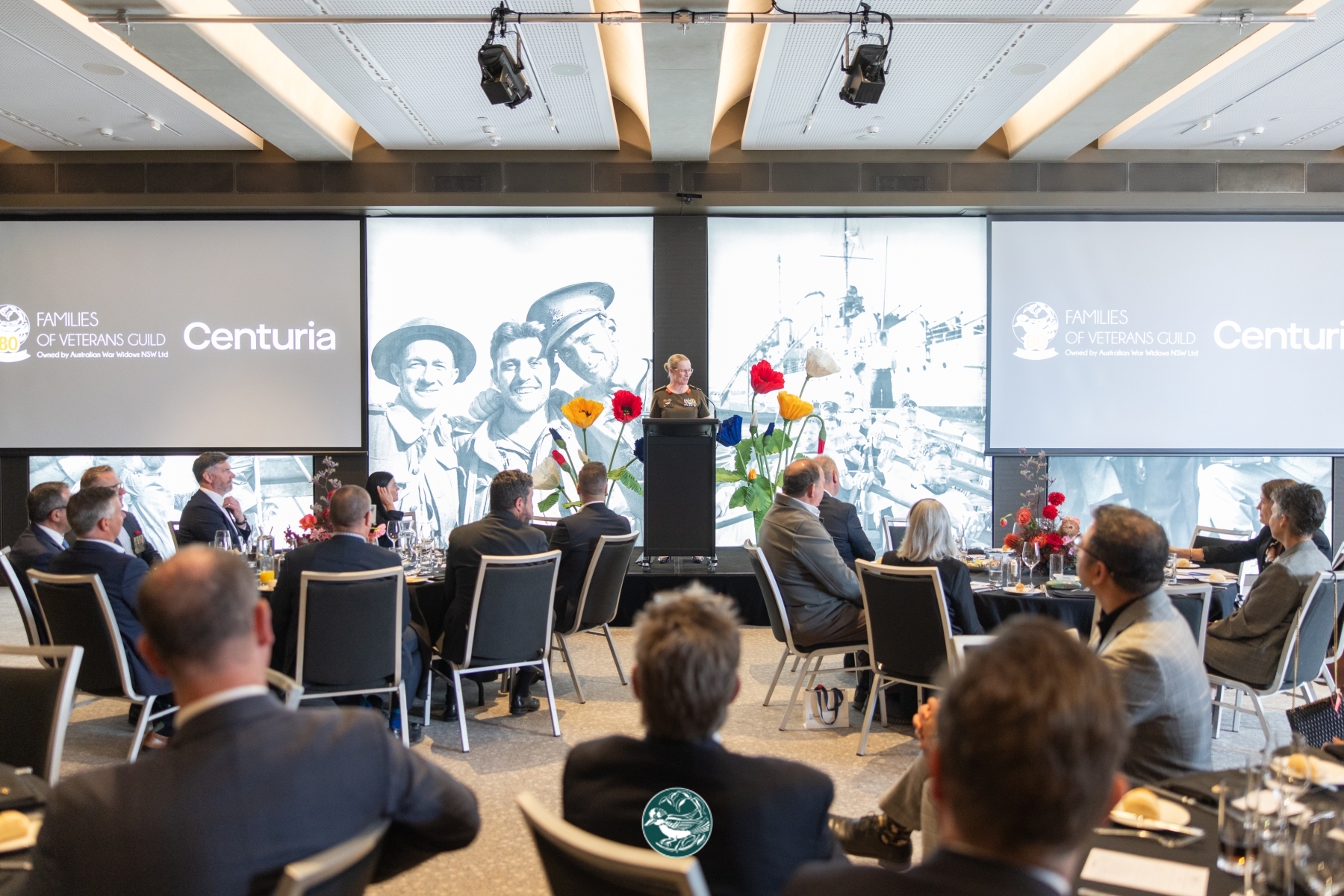
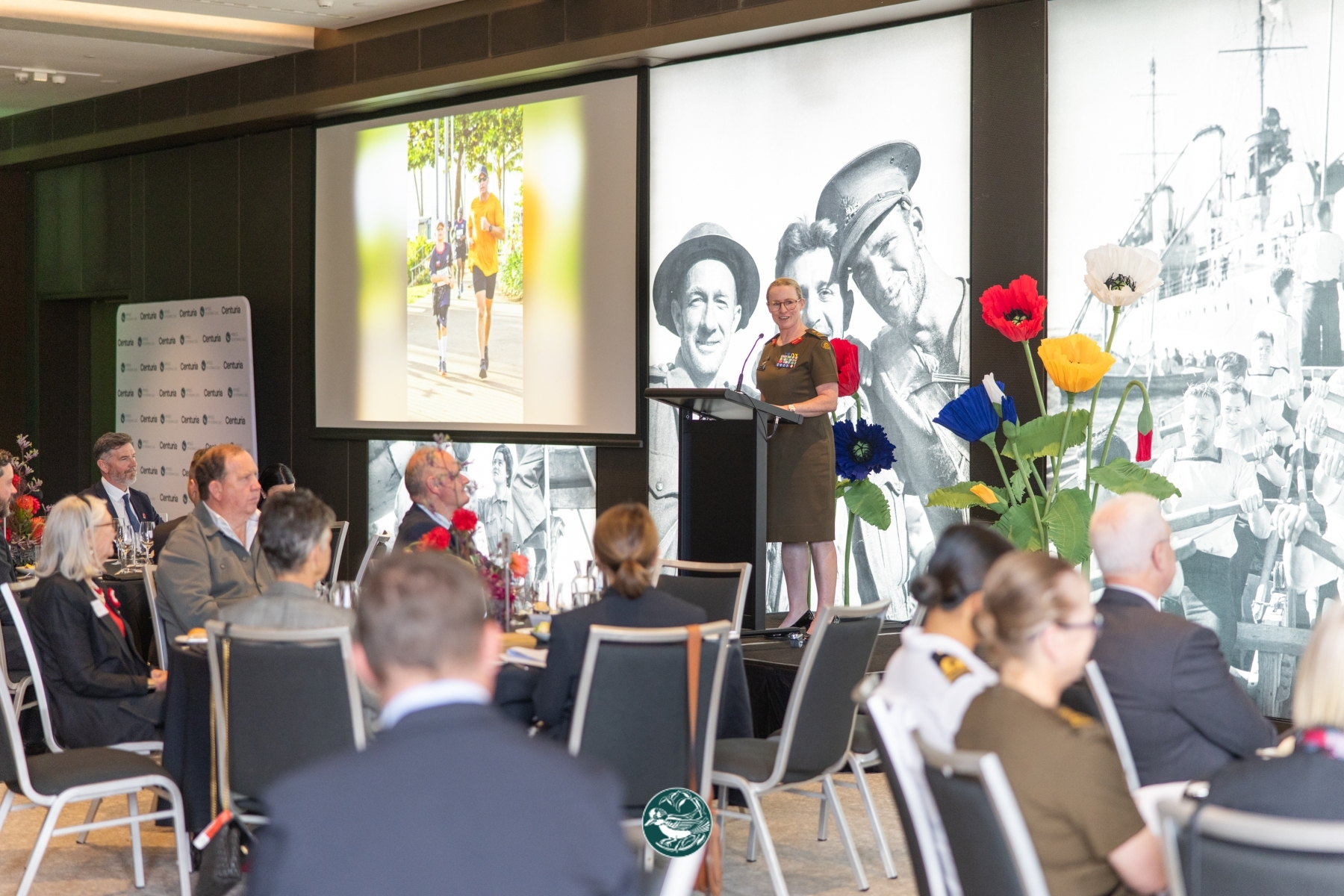
The announcement was made at our inaugural Veteran Families Remembrance Lunch, supported by Centuria. It brought together war widows from the Second World War through to Afghanistan, descendants of our founder Jessie Vasey CBE OBE, the Chief of Army, the Chief of Personnel, the Veteran Family Advocate Commissioner, representatives of veteran organisations, and leaders from business and the Canberra community who support veteran families or are in a position to.
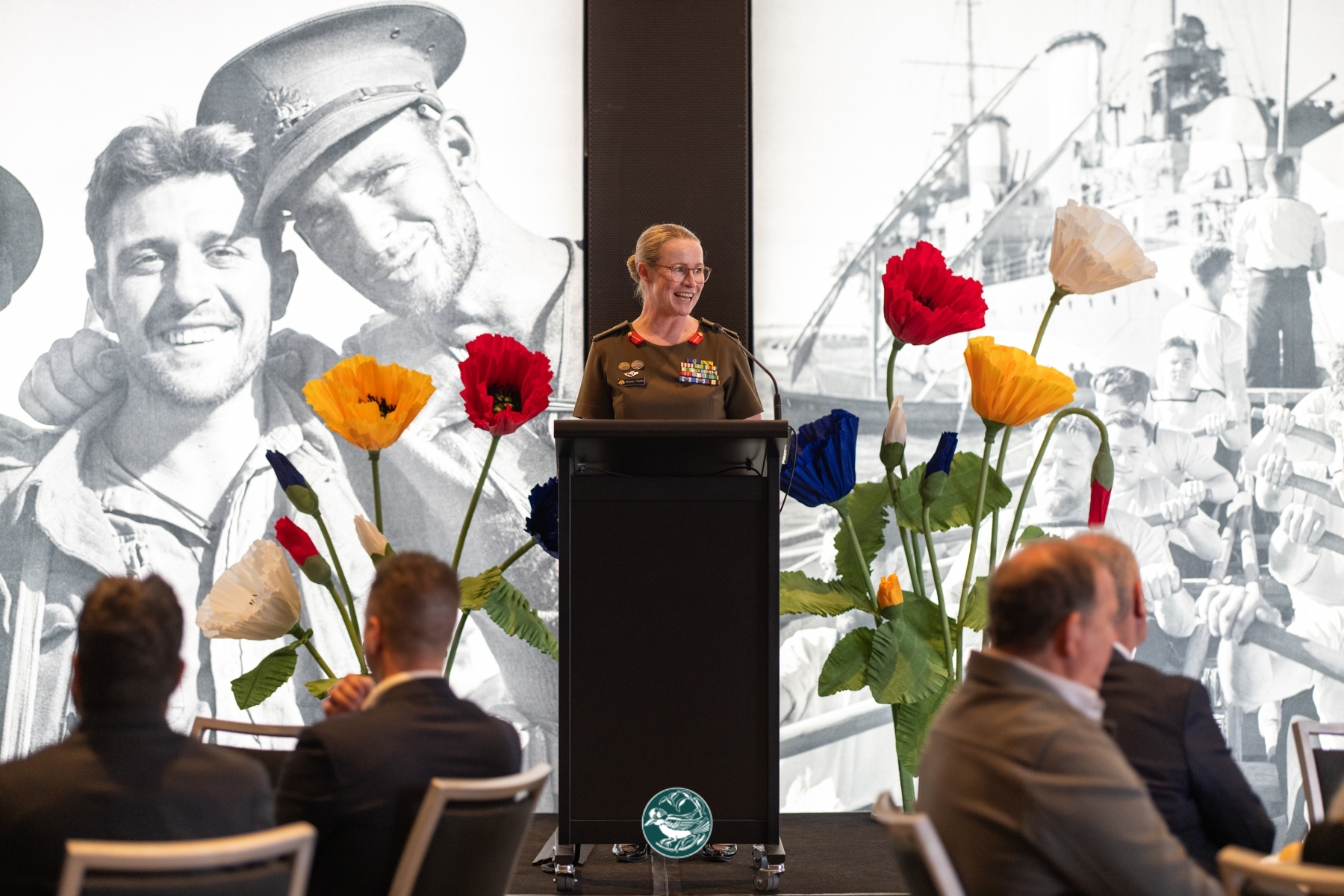
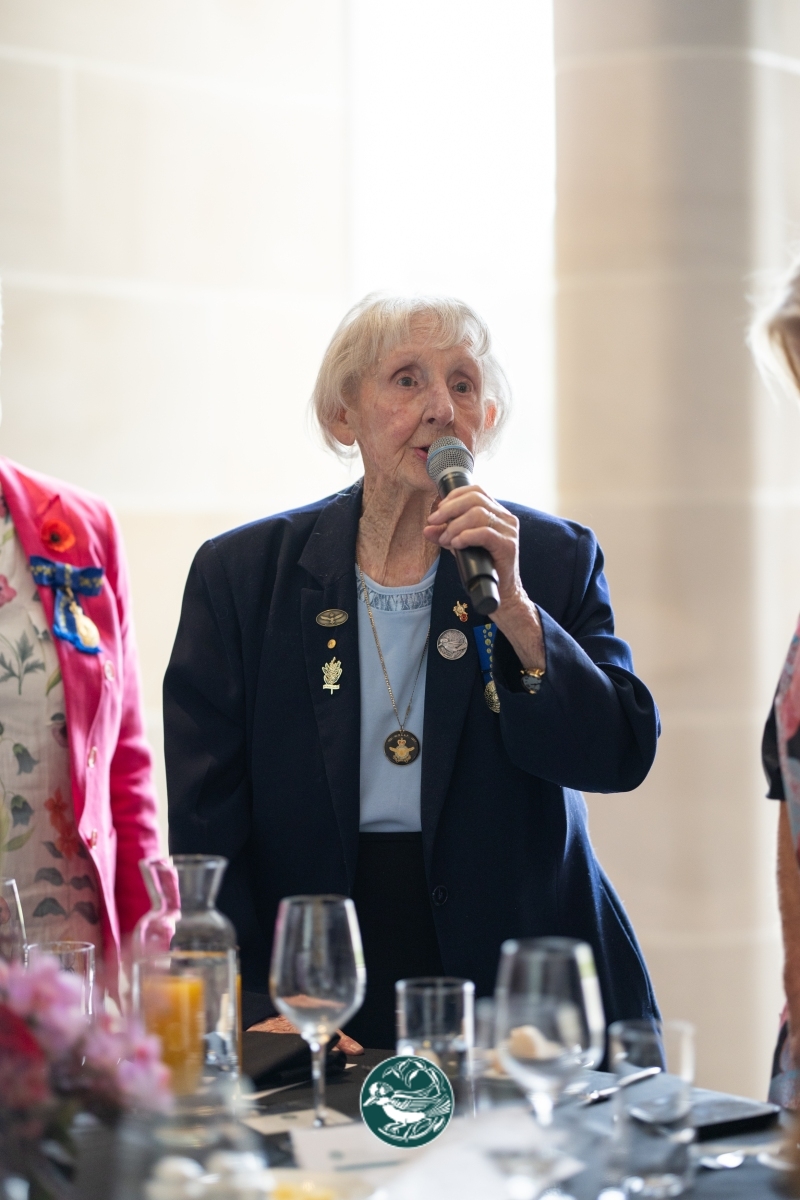
Shirley McLaren OAM, a 94-year-old war widow and RAAF veteran, led the Ode of Remembrance. The Chief of Army, Lieutenant General Susan Coyle AM CSC DSM, gave the keynote address. Lieutenant General Coyle served on our Board from 2021 to 2024.